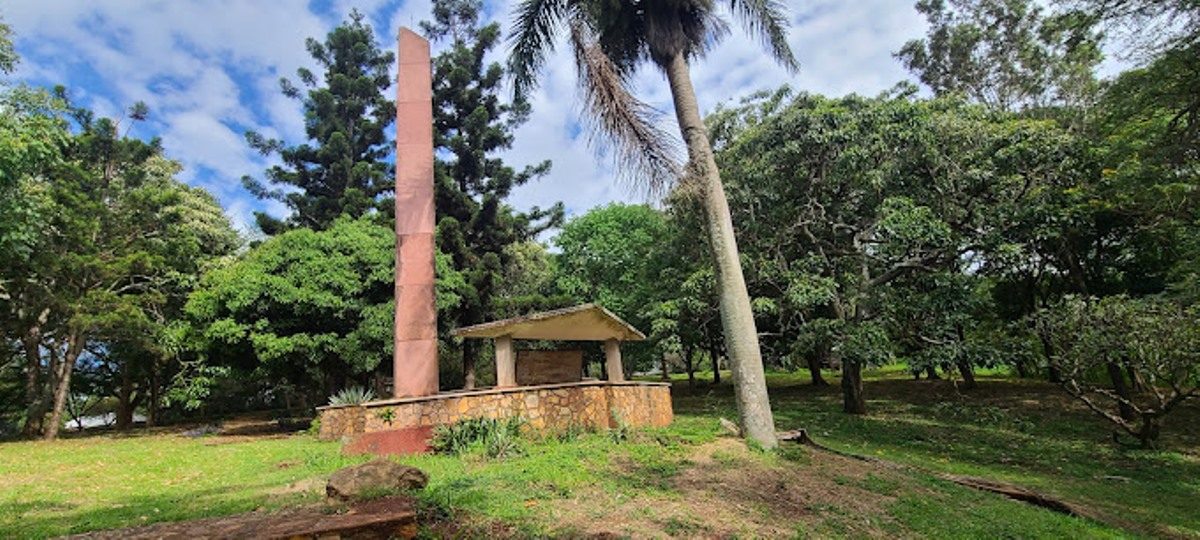
John Hanning Speke Monument
A stone pillar commemorating the British explorer who identified this location as the Nile's source in 1862.
Stand to the side to capture the monument with the river backdrop.

The road from Uganda's capital to the birthplace of the Nile runs 81 kilometers through the country's most developed transport corridor. This guide covers the route, typical travel times, and what shapes the journey between the two cities.
Quick answer
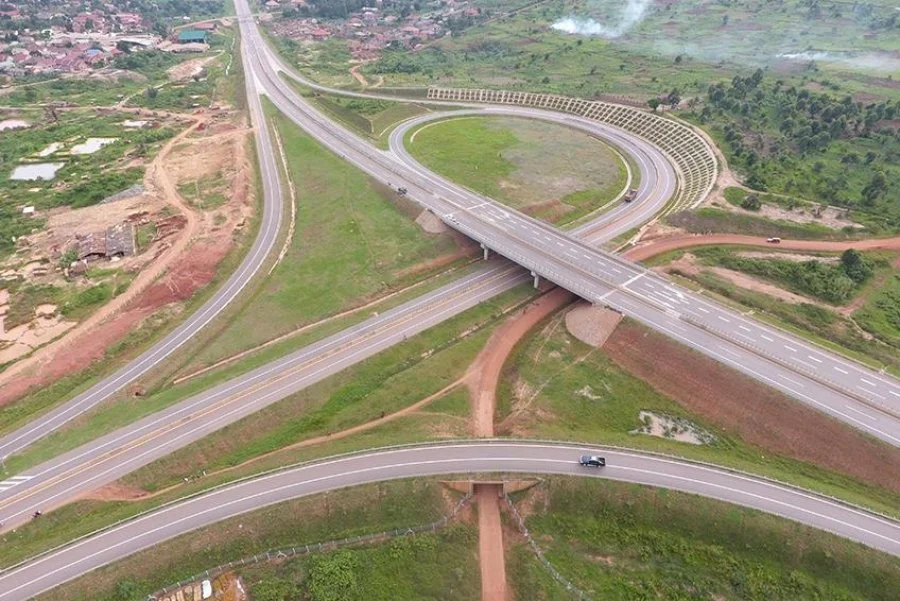
The distance from Kampala to Jinja is 81 kilometers by road via the Kampala-Jinja Highway. The drive typically takes between 1.5 and 2 hours depending on traffic density around the capital and roadworks along the route. The highway is fully paved and considered one of Uganda's better-maintained trunk roads, with clearly marked junctions and rest stops at regular intervals.
The Kampala-Jinja Highway carries more freight and passenger traffic than any other road in Uganda. It connects the capital to the country's industrial hub and the Kenyan border beyond, which means the corridor sees constant movement of container trucks, matatus, and private vehicles throughout the day. The distance from Kampala to Jinja translates to a journey that changes character as you move east. The first 20 kilometers out of the city pass through Kampala's expanding suburbs and industrial zones where congestion can add 30 minutes during morning and evening peaks. Once past Mukono, the road opens into a steady two-lane highway flanked by sugarcane plantations and small trading centers. The Mabira Forest Reserve occupies the middle third of the route, and the road narrows slightly as it cuts through dense canopy. Trucks slow on the inclines here, and overtaking requires patience. The final approach into Jinja descends toward the Nile basin, with the road straightening as it enters the town from the west. Most travelers cover the route by private car, hired taxi, or shared matatu. Matatus depart Kampala's Old Taxi Park every 15 to 20 minutes throughout the day and cost between 10,000 and 15,000 Ugandan shillings. They make multiple stops to collect passengers, which extends travel time to around two hours. Private taxis and ride-hailing services offer a faster, direct option at a higher cost. Boda-bodas operate on the route but are not recommended for the full distance due to safety concerns on the highway. Road conditions along the Kampala to Jinja route have improved significantly since the highway was resurfaced in 2018, though periodic maintenance work can narrow lanes and introduce delays. Potholes reappear during heavy rains, particularly in the forest section. Fuel stations, roadside food vendors, and mobile-money agents cluster at Mukono, Njeru, and the Mabira entrance, providing logical break points for longer journeys. The Source of the Nile lies on the eastern edge of Jinja, approximately 5 kilometers from the town center along Cliff Road.
“The highway carries more freight and passenger traffic than any other road in Uganda, connecting the capital to the industrial east and the Kenyan border beyond.”
The Source of the Nile is located in Jinja, approximately 80 kilometers east of Kampala. The most direct approach is via the A109 highway, which connects the capital to the town center.
A109 highway via Mukono
Private hire from Kampala to Jinja town
Kampala to Jinja via Nile Coach or similar carriers
Upon reaching Jinja, follow signs toward the town center and proceed to Cliff Rd. Securing private transport is recommended for more predictable travel times compared to public bus schedules.
The optimal window to travel from Kampala to Jinja is early morning, specifically departing between 06:00 and 07:00 to ensure an arrival during the best arrival window of 07:00–10:00. This timing allows you to avoid peak traffic on the highway and arrive before midday crowds intensify.
—
Departure before 07:00 ensures a smoother drive and quiet entry.
Dry and warm, 25-28°C
These months offer predictable weather for outdoor activities.
Rainy and humid, 22-25°C
Expect frequent rainfall which may influence travel speed.
Cool and pleasant, 21-24°C
This is peak travel season with higher visitor volumes.
Mild with occasional rain, 23-26°C
This period offers a balance of manageable crowds and stable conditions.
Verdict: The best time to travel is Tuesday to Thursday, departing Kampala before 07:00 to arrive at the site by the 07:00–10:00 window during the drier months of January, February, or September.
The Source of the Nile is open to visitors daily throughout the week, maintaining consistent operating hours to accommodate your travel schedule from Kampala.
The Source of the Nile site offers several points of interest where visitors can observe the geographical point where the river begins its journey northward. These landmarks provide context to the river's scale and historical significance.
A stone pillar commemorating the British explorer who identified this location as the Nile's source in 1862.
Stand to the side to capture the monument with the river backdrop.
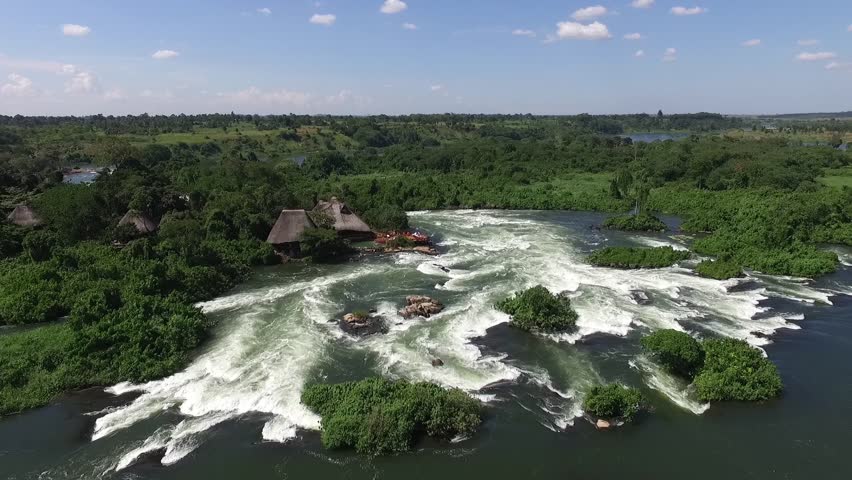
An elevated observation area providing a clear view of the water flowing from Lake Victoria.
Use the early morning hours for clearer water reflections.
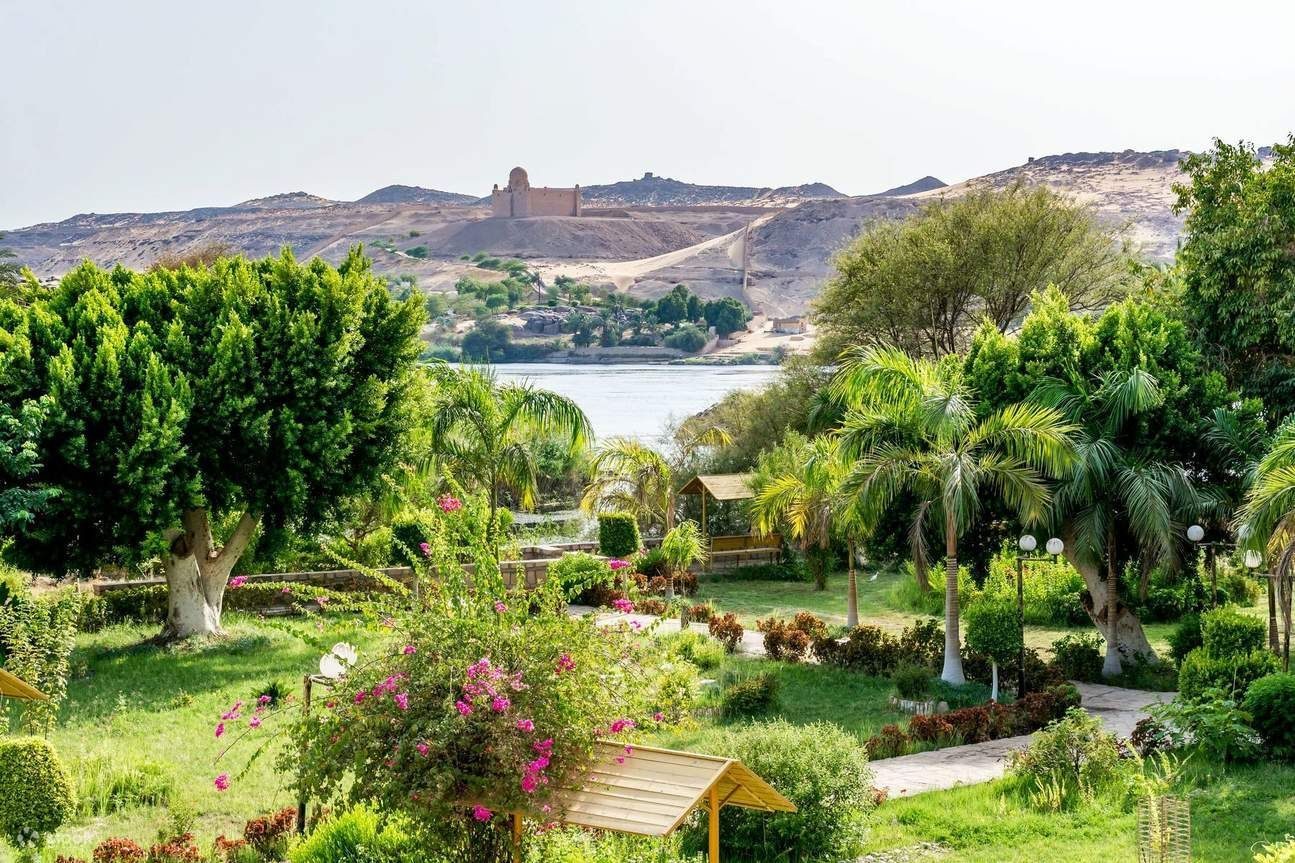
Well-maintained botanical areas located near the riverbank that offer shade and pathways.
Walk the perimeter path to see diverse local plant species.
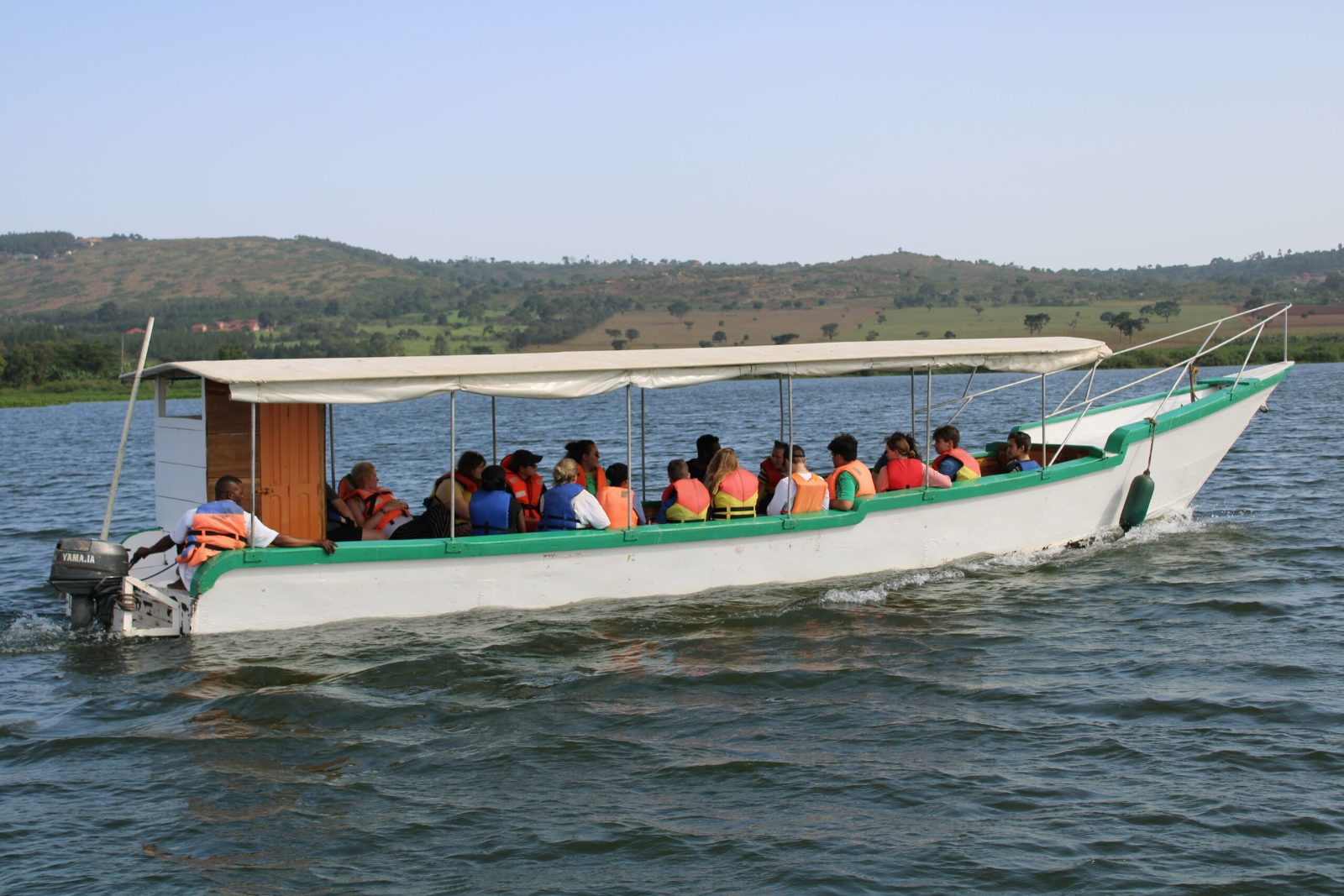
The departure point for small boat excursions that navigate the initial stretch of the river.
Book a morning boat trip to navigate the calmest water.
Everything you need to know about distance from kampala to jinja
The road distance from Kampala to Jinja is approximately 80 kilometers. This route takes you eastward from the capital toward the iconic river landmarks. Travelers often find that the distance from Kampala to Jinja allows for a comfortable day trip if planned correctly. Most visitors factor in this distance from Kampala to Jinja when coordinating their morning departure.
The travel time typically ranges from 2 to 3 hours, though this depends heavily on traffic conditions. Leaving early is recommended to avoid the congestion often found when exiting the capital. Factoring in this duration helps ensure you reach the Source of the Nile with plenty of time to explore. While the distance from Kampala to Jinja is manageable, rush hour can significantly impact your transit time.
Private taxis or hired cars are considered the most convenient options for reaching the Source of the Nile. These provide flexibility for stops along the way and direct arrival at the park entrance. Alternatively, some travelers prefer organized shuttle services for a more structured journey. You can also explore the area by boda-boda if you prefer a more adventurous approach to your Jinja landmarks tour.
Yes, there are dedicated shuttle services that operate between the two cities for visitors. These services offer scheduled pick-ups from central locations in the capital and provide a reliable way to reach your destination. Checking the current operator schedules helps you plan your day around your arrival time at the river. This is a popular choice for those wanting a stress-free travel experience.
The best arrival window is between 07:00 and 10:00. Arriving early provides the best lighting for photography and ensures you experience the calm waters before the midday crowds arrive. This window also helps you avoid the intense heat of the afternoon. Planning your arrival within this time frame makes the most of your visit.
The entrance fee is 10 USD for foreign adult visitors at the main gate. This fee covers access to the site, allowing you to explore the area where the river begins its journey. Ensure you have the correct currency available for your visit. The proceeds help maintain the park facilities and preserve the historic site.
Public transport, such as buses or matatus, is available from the Old Taxi Park in the capital for those on a budget. This method is common for locals and adventurous travelers but may be less direct than a private taxi or shuttle. Be prepared for a longer journey with potential stops along the highway. It is a viable way to reach the region if you are comfortable with local travel customs.